
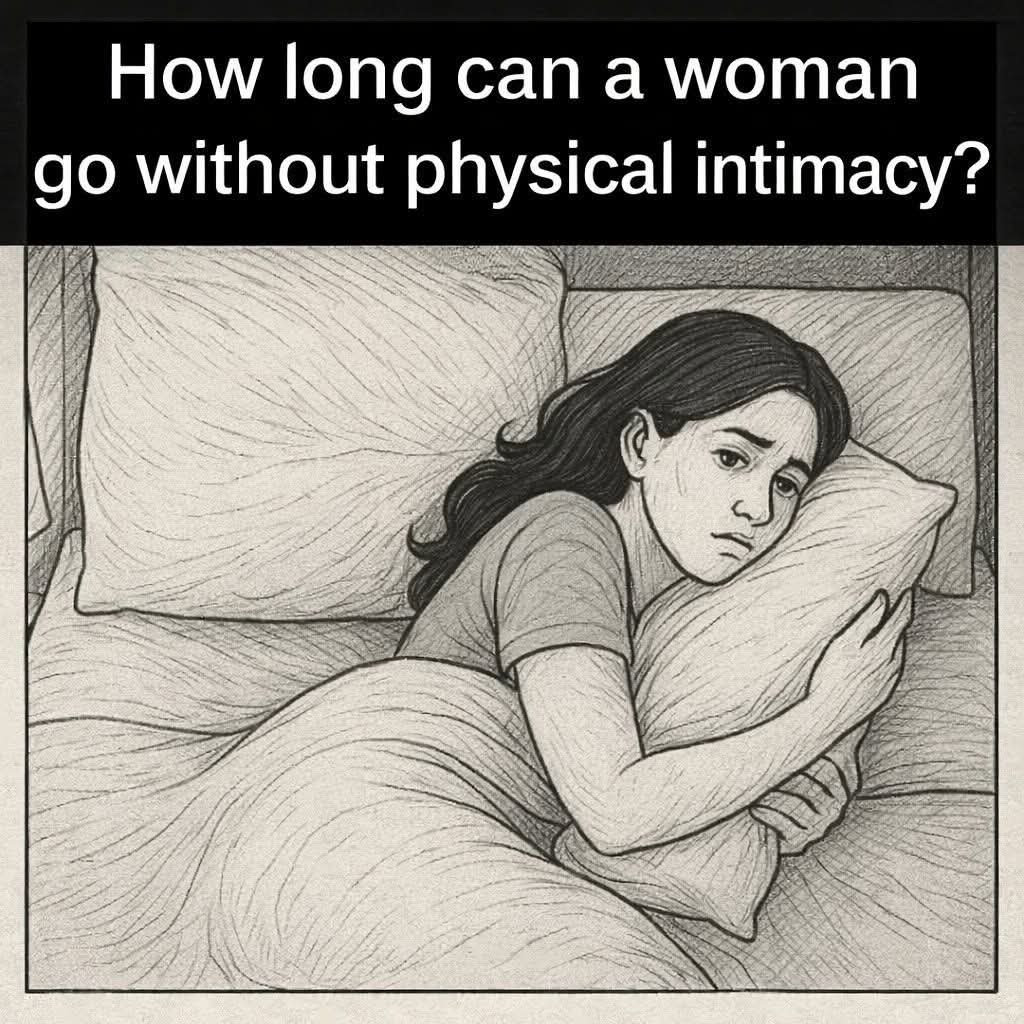
# How Long Can a Woman Go Without Physical Intimacy?
Physical intimacy is an essential aspect of many relationships, influencing emotional well-being, connection, and sexual health. The question of how long a woman can go without physical intimacy is complex, as it encompasses a range of physical, emotional, and relational factors. This article delves into the different dimensions of physical intimacy, its importance, and the potential implications of extended periods without it.
## Understanding Physical Intimacy
Physical intimacy often refers to moments of closeness that can be emotional and sexual in nature. These moments can include anything from holding hands and cuddling to sexual encounters. The need for physical intimacy can vary significantly among individuals based on personal, cultural, and relational backgrounds.
### The Role of Physical Intimacy
1. **Emotional Connection**: Physical intimacy helps foster emotional bonds in a relationship. It is a means through which partners express love, care, and affection. This emotional component is crucial for nurturing a healthy relationship.
2. **Physical Health Benefits**: Engaging in regular physical intimacy can offer numerous health benefits. Research suggests that it may reduce stress, lower blood pressure, and lead to improved immune function.
3. **Sexual Health**: For women, regular physical intimacy is also a significant factor in maintaining hormonal balance and sexual health. This might include regular cycles of sexual activity which can assist in hormone regulation.
## Factors Influencing Duration Without Physical Intimacy
The duration a woman can go without physical intimacy varies based on several factors:
### 1. Individual Needs and Desires
Every woman has her own level of comfort and desires when it comes to intimacy. Some women may feel fulfilled and content without regular physical encounters, while others might experience emotional or physical distress after prolonged periods without intimacy.
### 2. Relationship Dynamics
The state of a relationship can significantly impact an individual’s need for intimacy. In a stable and loving relationship, partners may develop a mutual understanding regarding physical intimacy. Conversely, in relationships facing challenges, feelings of deprivation may heighten the need for intimacy as a means of reconnection.
### 3. Life Circumstances
Various life circumstances such as stress from work, familial responsibilities, or health issues may lead to temporary periods without physical intimacy. During times of significant life changes, women might prioritize emotional well-being over physical closeness.
### 4. Age and Life Stage
Age can influence a woman’s need for physical intimacy. Younger women may have a higher need for intimacy and sexual fulfillment, while older women or those in transitional life stages (such as motherhood or menopause) may experience different urges and levels of comfort with intimacy.
## Psychological Effects of Extended Absence of Physical Intimacy
While each woman’s experience is unique, some common psychological effects can arise from extended periods without physical intimacy, including:
### 1. Feelings of Loneliness
A lack of physical connection can lead to feelings of isolation. Women might feel disconnected not only from their partner but also from themselves, which may lead to mental health issues such as anxiety or depression.
### 2. Reduced Self-esteem
Physical intimacy often fosters a sense of validation and worthiness. Prolonged absence can affect self-esteem, leading to negative self-image and feelings of unattractiveness or worthlessness.
### 3. Heightened Stress Levels
Without the stress-relieving benefits of physical intimacy, women may experience elevated stress levels, contributing to problems in other areas of their lives, including work and relationships.
## Coping Strategies for Managing Absence of Physical Intimacy
For women facing extended periods without physical intimacy, several coping strategies can help:
### 1. Open Communication
Maintain an open dialogue with your partner about your needs and feelings regarding intimacy. This practice can create understanding and potentially improve the situation.
### 2. Finding Alternative Connections
Engage in alternative forms of intimacy that can foster closeness without sexual elements, such as cuddling, giving each other massages, or spending quality time together.
### 3. Exploring Self-Intimacy
Invest time in cultivating a relationship with yourself. This can include mindfulness practices, personal self-exploration, and focusing on what brings you joy and satisfaction beyond your physical needs.
### 4. Seek Professional Guidance
If the absence of physical intimacy is contributing to distress or impacting mental health, consider seeking support from a mental health professional. Therapy can be an excellent avenue to understand feelings and develop coping strategies.
## Conclusion
The duration a woman can go without physical intimacy is not a straightforward measurement; it varies based on individual circumstances and needs. While some women may feel secure without it for extended periods, others may struggle with the psychological effects. Open communication, alternative connections, and self-exploration can empower women during these times. Ultimately, understanding personal needs and fostering healthy relationships are crucial in navigating the complexities of physical intimacy.
By being proactive and embracing openness in relationships, individuals can enhance their emotional and physical well-being, regardless of their current circumstances. Remember, intimacy is not strictly about the physical; it is also about the emotional bonds we cultivate with ourselves and those we love.