
🍌🥝 Banana vs. Guava: Which Fruit Wins the Nutrition Battle?
Fruits play a crucial role in our overall health, delivering essential vitamins, minerals, and other nutrients. Two popular fruits among health enthusiasts are bananas and guavas. While both offer unique flavors and health benefits, they differ significantly in nutritional value. In this article, we will explore the key nutritional aspects of bananas and guavas to determine which fruit reigns supreme in the nutrition battle.
Nutritional Overview
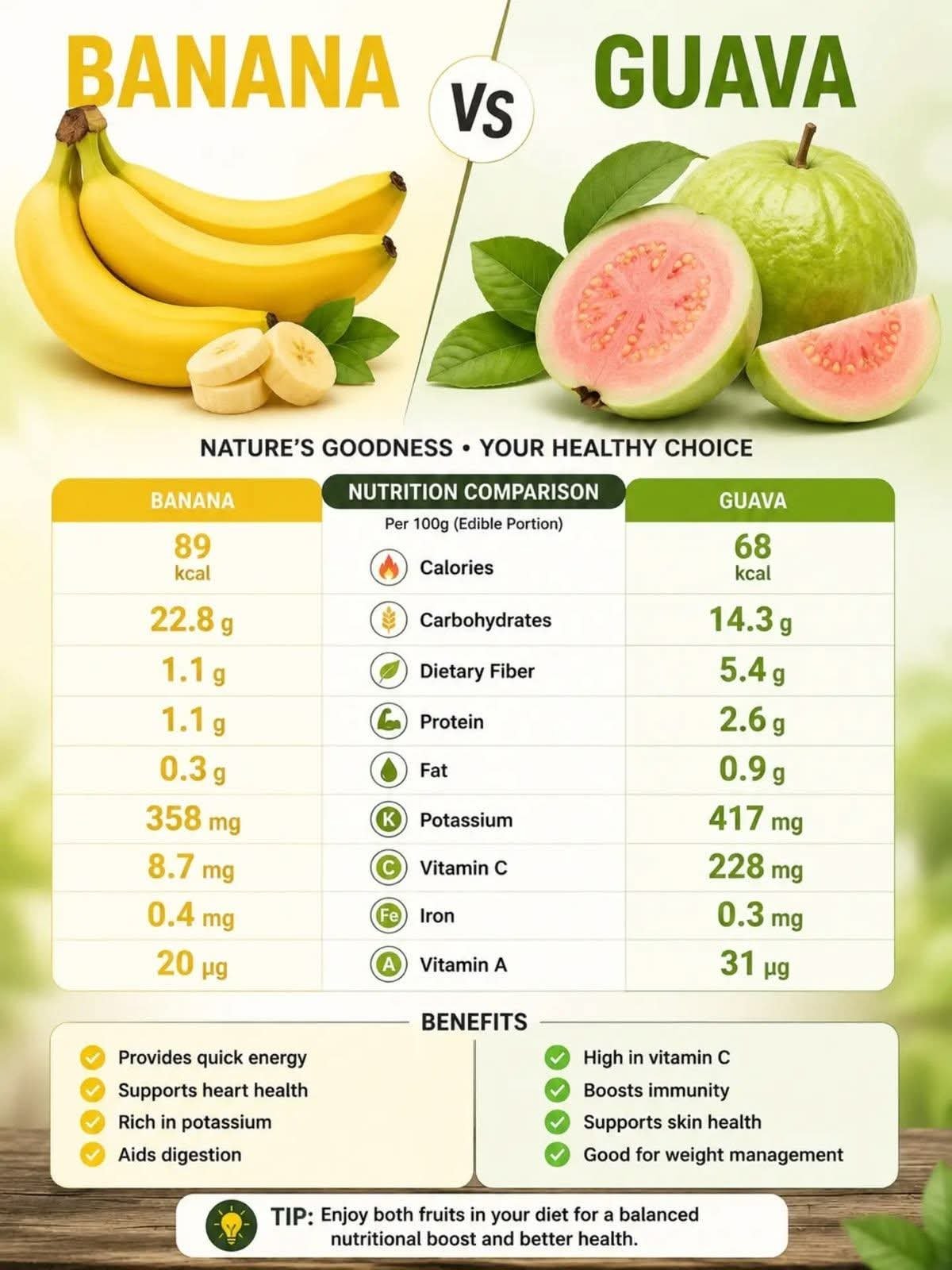
Before we delve deeper into the comparison, let’s take a look at the nutritional profiles of both fruits based on a standard serving size of 100 grams.
Banana Nutrition Facts
– Calories: 89
– Carbohydrates: 22.8 g
– Protein: 1.1 g
– Fat: 0.3 g
– Fiber: 2.6 g
– Vitamin C: 8.7 mg
– Potassium: 358 mg
– Magnesium: 27 mg
Guava Nutrition Facts
– Calories: 68
– Carbohydrates: 14.3 g
– Protein: 2.6 g
– Fat: 0.6 g
– Fiber: 5.4 g
– Vitamin C: 228.3 mg
– Potassium: 417 mg
– Magnesium: 18 mg
Conclusion of Nutritional Overview
From this overview, we can already see some differences in calorie count, nutrient composition, and health benefits. While bananas are higher in calories and carbohydrates, guavas boast a higher protein content and more fiber, along with an impressive amount of Vitamin C.
Health Benefits
Benefits of Bananas
Bananas are often celebrated for their high potassium content, which is essential for maintaining healthy blood pressure levels and promoting heart health. This fruit is not only convenient and portable, but it also provides a quick source of energy, making it a favorite among athletes.
Key Health Benefits:
– Supports Digestive Health: The fiber in bananas helps regulate digestion and can stave off constipation.
– Mood Booster: Bananas contain tryptophan, which the body converts into serotonin, potentially enhancing mood and reducing stress levels.
– Electrolyte Balance: Due to their potassium content, bananas help maintain electrolyte balance, especially after intense workouts.
Benefits of Guavas
Guavas are nutritional powerhouses packed with antioxidants, vitamins, and minerals. This tropical fruit is known for its high Vitamin C content, which supports the immune system and promotes healthy skin. Guavas also contain powerful antioxidants that can help combat oxidative stress.
Key Health Benefits:
– Boosts Immunity: With a staggering amount of Vitamin C, guavas are excellent for enhancing the immune system.
– Promotes Skin Health: The antioxidants in guavas can help prevent skin aging and improve skin texture.
– Good for Weight Management: Guavas are low in calories and high in fiber which can help keep you feeling full and satisfied, making them a great choice for weight loss.
Glycemic Index Comparison
The glycemic index (GI) measures how quickly a food raises blood sugar levels. It is essential for individuals monitoring their blood sugar, such as those with diabetes.
– Bananas: Medium GI (around 51)
– Guavas: Low GI (around 30)
Given this information, guavas are a better option for individuals looking to manage their blood sugar levels, as they have a lower glycemic index compared to bananas.
Flavor Profile and Culinary Uses
Bananas
Bananas have a sweet and creamy flavor, making them an ideal addition to smoothies, desserts, and breakfast dishes like oatmeal or pancakes. They are versatile and can be used in baked goods such as banana bread, muffins, and even as a natural sweetener in recipes.
Guavas
Guavas present a unique, slightly tangy flavor with a hint of sweetness. They can be enjoyed fresh or in beverages, jams, jellies, and salads. Guavas can also be used in savory dishes and pair well with spices and herbs.
Sustainability Considerations
When choosing fruits, sustainability plays an important role in making health-conscious decisions. Both bananas and guavas have varying environmental impacts based on their cultivation practices.
Bananas
Bananas are one of the world’s most popular fruits but are often criticized for their carbon footprint and the extensive chemical use on banana plantations. Opting for organic bananas can help mitigate some of these concerns.
Guavas
Guavas tend to be more sustainable, as they often require less water and can thrive in various climates with fewer chemical inputs. By choosing locally grown guavas, consumers can further reduce their carbon footprint.
Conclusion: Which Fruit Wins?
Considering all the nutritional aspects, health benefits, flavor profiles, and sustainability factors, both bananas and guavas have their distinct advantages.
Bananas are a good quick energy source, high in potassium, and supportive of digestive health. However, they come with a higher glycemic index, making them less suitable for individuals managing blood sugar.
On the other hand, guavas are rich in Vitamin C, provide beneficial antioxidants, and contribute more fiber, supporting overall health and weight management. Their low glycemic index makes guavas more appealing for those concerned with blood sugar levels.
In the end, the choice between bananas and guavas may boil down to personal preference and individual dietary needs. Including both fruits in your diet can maximize health benefits and provide varied flavors and textures in your meals. With careful consideration of your health goals, you may find that one of these fruits resonates more with your needs, helping you enjoy a nutritious and delicious diet.