
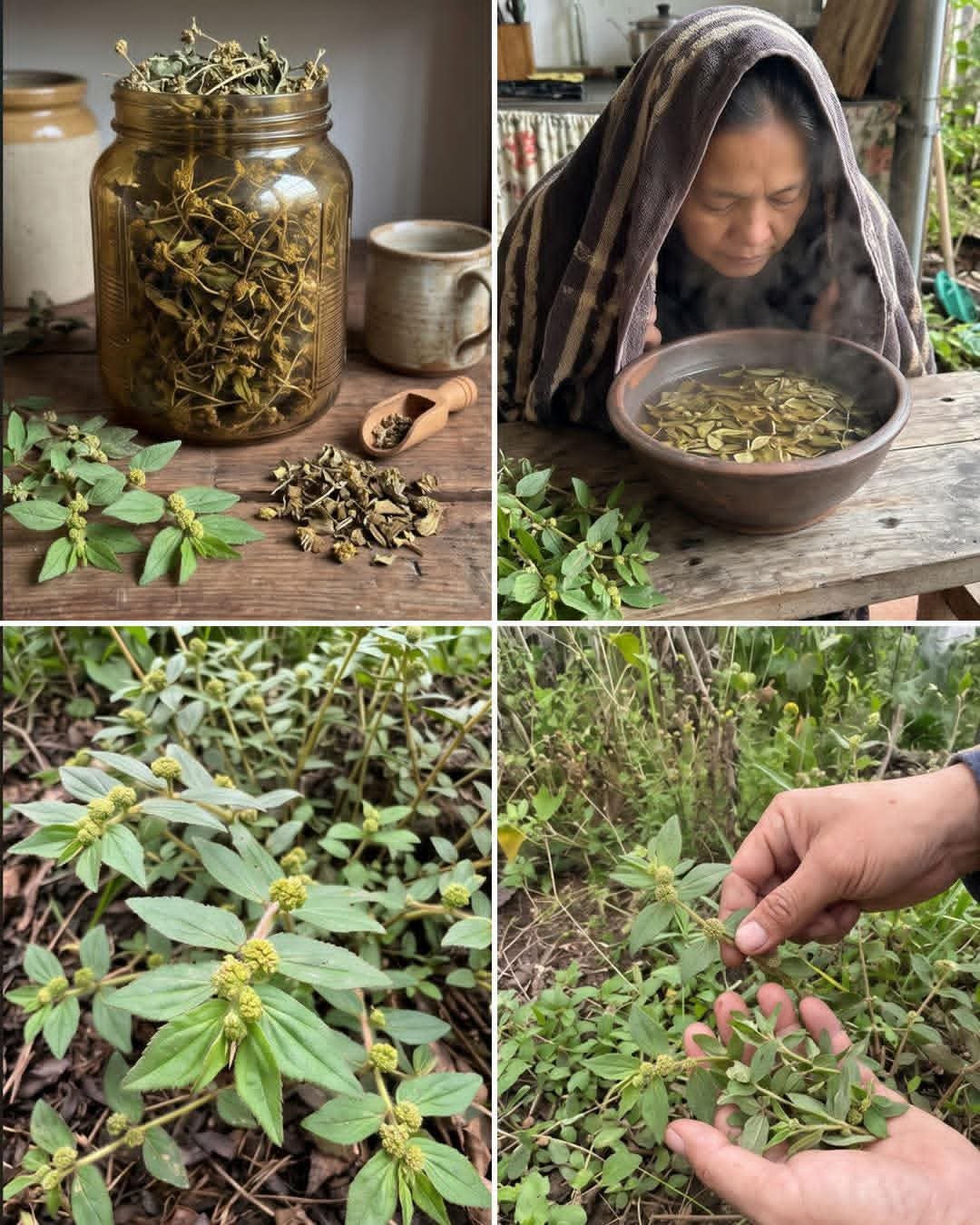
🌿 “This Amazing Healing Herb Has Everyone Talking! 🌱 Discover Its Traditional Uses!”
Herbs have been an essential part of human culture and medicine for centuries. Among the myriad of plants celebrated for their healing properties, one herb has recently gained significant attention—Moringa oleifera. Dubbed “the Miracle Tree,” Moringa is an incredible herb that boasts a wide array of medicinal benefits. This article delves into the traditional uses of Moringa, shedding light on its remarkable healing potential while catering to those seeking natural remedies.
Understanding Moringa
Native to the Indian subcontinent, Moringa has been cultivated across various parts of Asia, Africa, and South America. Known for its nutritious leaves, seed pods, and oil, Moringa is rich in vitamins, minerals, and antioxidants. Its reputation as a superfood stems from its high nutritional value, containing protein, vitamin C, potassium, and calcium, making it a sought-after product in health markets.
Traditional Uses of Moringa
1. Nutritional Supplement
Moringa leaves are commonly used in various cuisines around the world. Traditionally consumed in salads, soups, and teas, these leaves provide an excellent source of essential nutrients. Adding Moringa to your diet can help combat malnutrition, especially in areas where food scarcity poses a significant concern.
2. Anti-Inflammatory Properties
Moringa is known for its powerful anti-inflammatory compounds called isothiocyanates. Traditional medicine has utilized Moringa to alleviate inflammation and pain associated with conditions like arthritis and other inflammatory diseases. Preparing a tea from Moringa leaves or using its oil topically can help reduce swelling and discomfort.
3. Antioxidant Influence
The rich antioxidant profile of Moringa contributes significantly to its healing properties. Antioxidants are vital in fighting oxidative stress within the body, reducing the risk of chronic diseases such as heart disease, diabetes, and cancer. Moringa contains quercetin, chlorogenic acid, and beta-carotene, which are known for their ability to neutralize harmful free radicals.
4. Medicinal Uses in Traditional Medicine
In traditional Ayurvedic and African medicine, Moringa has been employed for various ailments:
– Digestive Health: Moringa leaves are known to promote digestion and treat gastrointestinal disorders. Its high fiber content aids in digestion and helps prevent constipation.
– Blood Sugar Regulation: People traditionally use Moringa to manage blood sugar levels, making it particularly beneficial for individuals with diabetes.
– Antibacterial Properties: Moringa has antibacterial and antifungal properties, which help in managing infections. Traditionally, Moringa leaves have been used to treat wounds and prevent infections.
5. Hormonal Balance
One of the fascinating aspects of Moringa is its potential influence on hormonal balance. In traditional uses, it has been attributed to improving reproductive health and regulating menstrual cycles. These attributes have made it popular among women seeking natural remedies for menstrual discomfort.
6. Skin and Hair Care
Moringa oil, extracted from its seeds, is a popular ingredient in cosmetic products. Its moisturizing and nourishing properties make it suitable for skincare. Traditionally, Moringa oil has been used to treat dry skin, acne, and even minor wounds. Moreover, infusing Moringa oil or powder into hair treatments can promote scalp health and enhance hair growth.
Modern Applications of Moringa
As the benefits of Moringa continue to be explored, modern science has validated many of its traditional uses. Moringa is available in various forms, including capsules, powders, teas, and oils, making it accessible for anyone looking to integrate it into their health regimen.
Superfood Trend
With the rise of superfoods in the market, Moringa’s popularity has soared. Health enthusiasts are using Moringa powder in smoothies, baked goods, and energy bars to enhance their nutritional profiles. Influencers and nutritionists frequently discuss the benefits of Moringa in podcasts and social media, further solidifying its status as a health trend.
Sustainable Agriculture
In addition to its health benefits, Moringa is also celebrated for its environmental advantages. The tree is fast-growing and drought-resistant, making it an excellent choice for sustainable agriculture. Cultivating Moringa can help combat soil erosion and contribute to food security in developing nations.
How to Incorporate Moringa into Your Diet
Moringa Powder
One of the easiest ways to enjoy Moringa’s benefits is through Moringa powder. Adding a teaspoon to smoothies, soups, or salad dressings can boost your nutrient intake effortlessly.
Moringa Tea
Brewing Moringa tea is a simple yet effective way to harness its healing properties. Steep dried leaves in hot water for a refreshing and health-boosting beverage.
Moringa Capsules
For those seeking a convenient supplement, Moringa capsules are available. Always consult with a healthcare provider before starting any new supplement regimen.
Conclusion
Moringa is indeed an amazing herb that has captured the attention of health enthusiasts and traditional medicine practitioners alike. With a wealth of nutrients and numerous health benefits, it is no wonder that this herb is gaining popularity across the globe. Incorporating Moringa into your daily routine can lead to enhanced well-being, making it an invaluable addition to your diet.
Whether you seek to improve your nutrition, manage inflammation, or explore natural remedies, Moringa oleifera may be the answer. Its traditional uses and modern applications make it a versatile herb worthy of attention. Discover Moringa today and join the many who are already reaping its myriad benefits!