
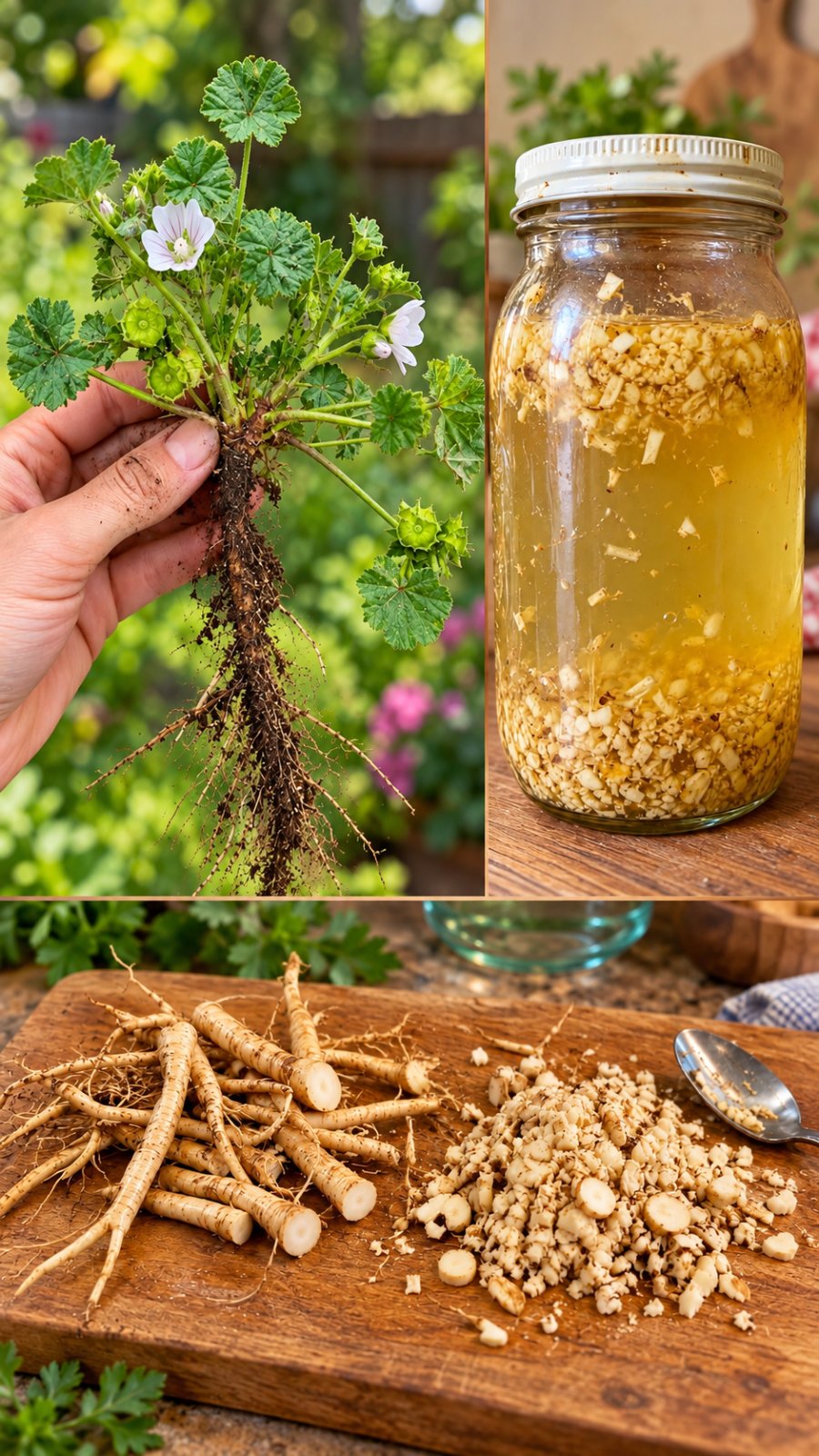
🌿 The Amazing Wild Herb: A Traditional Homemade Herbal Infusion!
Herbal infusions have gained immense popularity over recent years, both for their medicinal properties and delightful flavors. One standout in the vast world of wild herbs is the well-loved herbal infusion made from local flora. This article explores the process of making a traditional homemade herbal infusion, why wild herbs are valuable, and some of the top herbs to consider for your infusion.
Understanding Herbal Infusions
An herbal infusion is a drink made by steeping herbs in water. Unlike tea, which is typically made from the leaves of the Camellia sinensis plant, herbal infusions can be crafted using a wide range of herbs, flowers, seeds, and even roots. This flexibility not only allows for a rich variety of flavors but also brings an array of health benefits.
Why Choose Wild Herbs?
Wild herbs are plants that grow naturally in the environment without the intervention of agriculture. They are known for their robust flavors and medicinal properties. By choosing wild herbs for your infusion, you are tapping into nature’s pharmacy while also joining a long-standing tradition of herbal medicine.
1. Nutritional Benefits: Wild herbs are packed with vitamins, minerals, and antioxidants. Incorporating them into your diet can help boost your overall health.
2. Environmentally Friendly: Foraging for wild herbs supports sustainable practices. Many wild plants thrive without pesticides or fertilizers, promoting a healthier ecosystem.
3. Cost-Effective: Harvesting wild herbs can be an economical choice. Instead of purchasing expensive dried herbs from the store, you can gather these free resources from your surroundings.
Steps to Prepare Your Herbal Infusion
Creating a homemade herbal infusion is simple and requires minimal ingredients. Below are the steps to guide you.
Step 1: Gather Your Ingredients
Select wild herbs that are safe and edible. Some popular options include:
– Nettle: Rich in iron and perfect for boosting energy.
– Dandelion: Known for its detoxifying properties.
– Lemon Balm: Offers a soothing effect and aids in digestion.
– Chamomile: Great for relaxation and reducing anxiety.
Make sure to forage responsibly. Always positively identify the plants you collect, and avoid areas with pollution or herbicides.
Step 2: Prepare the Herbs
After gathering your wild herbs, rinse them well in cold water to remove dirt and insects. For stronger flavors, chop or tear the leaves. If you are using flowers or seeds, measure them out as needed.
Step 3: Boil Water
Boil fresh, filtered water. For a typical infusion, you’ll need about one cup of water for each serving you want to prepare.
Step 4: Steep the Herbs
Place your prepared herbs in a heatproof container, such as a teapot or a jar. Pour the boiling water over the herbs and cover the container. Steeping time can vary based on the type of herb and personal taste, but generally:
– Leafy herbs (like nettle): Steep for 5-10 minutes.
– Flowers (like chamomile): Steep for 5-7 minutes.
– Roots or seeds: Steep for 10-15 minutes.
Step 5: Strain and Serve
Once steeped, strain the infusion through a fine mesh sieve or cheesecloth to remove the herb solids. Your homemade herbal infusion is now ready to be enjoyed! You can drink it warm or cold, and sweeten it with honey or sugar if desired.
Flavoring Your Herbal Infusion
Herbal infusions can be enhanced with various ingredients. Here are some popular flavor boosters:
– Citrus Zest: Lemon, lime, or orange zest can add a refreshing brightness.
– Spices: Cinnamon, ginger, or cardamom will add warmth and spice.
– Sweeteners: Honey or agave syrup can help mellow the natural earthiness of the herbs.
Common Uses and Health Benefits
Many people enjoy herbal infusions for their health benefits. Here are some notable uses:
– Cooling and Hydration: These infusions can be incredibly refreshing, especially when served iced in warmer weather.
– Digestive Aid: Certain herbs, like peppermint and fennel, can help soothe the stomach and improve digestion.
– Sleep Support: Chamomile and lemon balm are often used to promote better sleep and relaxation.
– Detoxification: The natural diuretic properties of dandelion can support liver health and detox.
Conclusion
Crafting a traditional homemade herbal infusion using wild herbs is an incredible way to embrace nature, elevate your culinary skills, and promote health. The process is straightforward, and the benefits are plentiful. By foraging for wild herbs, you also foster a closer connection with your environment while discovering the flavors and properties of your local plants.
So, gather your materials, follow the steps outlined above, and enjoy the rich flavors and health benefits of a homemade herbal infusion today! With the right wild herbs, you can create a delightful beverage that relaxes your body and delights your taste buds, ensuring you get the most out of every cup. Remember to always research and correctly identify any wild herbs you wish to use, ensuring a safe and enjoyable experience. Happy brewing!