
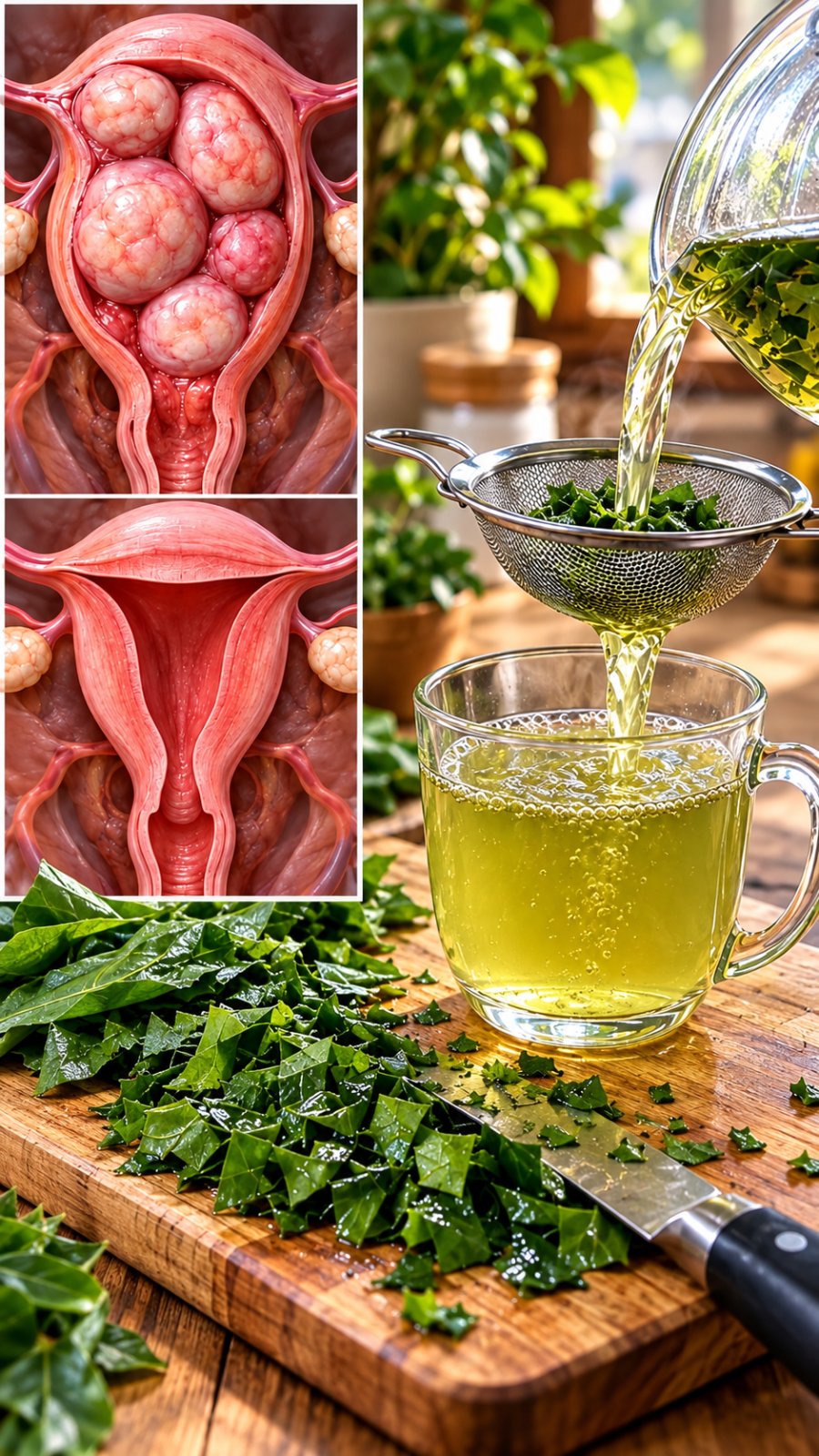
🌿 Natural Herbal Tea for Uterine Health – Discover This Soothing Homemade Remedy!
Maintaining optimal uterine health is vital for every woman’s overall well-being. Herbal teas have been celebrated for centuries for their therapeutic properties, especially in supporting reproductive health. This article explores natural herbal tea options that specifically target uterine health, offering a soothing homemade remedy.
Why Herbal Tea for Uterine Health?
Herbal tea serves as a gentle yet effective approach to nurture the reproductive system. Many herbs are rich in nutrients, antioxidants, and vitamins that can help regulate menstrual cycles, reduce cramps, and support overall uterine wellness. Incorporating herbal tea into your routine can provide a calming effect, both physically and emotionally, helping alleviate stress associated with menstrual discomfort.
Popular Herbs for Uterine Health
1. Red Clover
Red clover is renowned for its high content of phytoestrogens, which mimic estrogen in the body. These compounds can help balance hormones and alleviate menstrual symptoms. Drinking red clover tea may also ease menstrual cramps and promote better blood circulation in the reproductive organs.
2. Raspberry Leaf
Raspberry leaf tea is a powerhouse for female reproductive health. This herb is loaded with vitamins A, C, and E, as well as minerals such as calcium and magnesium. Raspberry leaf has been traditionally used to prepare the uterus for childbirth and can help ease menstrual discomfort. Regularly consuming this tea can tone the uterine muscles, promoting a healthy menstrual cycle.
3. Ginger
Ginger root is another herbal ingredient known for its anti-inflammatory properties. Not only does ginger tea aid in digestion, but it can also help reduce menstrual pain and cramps. The warming effects of ginger can improve blood flow throughout the body, supporting uterine health and relieving discomfort.
4. Chamomile
Chamomile tea offers calming properties that can help reduce stress and anxiety. This soothing herbal tea is also known to relieve menstrual cramps and promote relaxation. The anti-inflammatory effects of chamomile may help alleviate conditions such as endometriosis and uterine inflammation.
5. Nettles
Nettle leaf tea is a nutritional powerhouse, rich in vitamins A, C, K, and various B vitamins, along with minerals like iron and calcium. Nettle tea is excellent for supporting uterine health as it can help nourish the body and promote healthy blood flow. It is particularly beneficial for women experiencing heavy menstruation or those in need of an iron boost.
How to Make Your Own Herbal Tea for Uterine Health
Creating your own herbal tea blend is simple and allows you to customize flavors according to your preference. Here’s a delicious recipe you can try:
Ingredients
– 1 tablespoon dried raspberry leaf
– 1 tablespoon dried red clover
– 1 tablespoon dried nettles
– 1 teaspoon grated ginger or 1/2 teaspoon dried ginger
– 1 tablespoon dried chamomile flowers
– 4 cups of water
– Honey or lemon (optional)
Instructions
1. Combine Ingredients: In a mixing bowl, combine dried raspberry leaf, red clover, nettles, ginger, and chamomile.
2. Boil Water: Bring 4 cups of water to a boil in a kettle or saucepan.
3. Steep: Add the herbal mixture to the boiling water, then reduce heat and let it simmer for about 10-15 minutes.
4. Strain: Using a fine mesh strainer, pour the tea into a mug.
5. Serve: Sweeten with honey or add a splash of lemon juice if desired. Enjoy warm.
Dosage and Consumption
For optimal benefits, it’s advisable to consume herbal tea regularly. Enjoy 1-3 cups per day, depending on your individual needs and tolerance. It’s essential to listen to your body and adjust the dosage accordingly. If you are pregnant, nursing, or have any pre-existing health conditions, consult your healthcare provider before incorporating new herbs into your routine.
Potential Side Effects and Precautions
While herbal teas are generally safe for most individuals, it is crucial to be aware of any potential side effects. Some herbs may cause allergic reactions or interact with medications. Always perform a patch test if you are trying a new herb and consult with your healthcare provider if you have concerns about specific herbs related to hormonal balance or reproductive health.
Conclusion
Incorporating natural herbal tea into your wellness routine can be a soothing and effective way to support your uterine health. Red clover, raspberry leaf, ginger, chamomile, and nettles are just a few of the many herbs that can provide significant benefits. By crafting your own herbal tea blend, you not only promote uterine well-being but also foster a moment of self-care and relaxation in your day. Regular consumption of herbal tea can enhance your overall health and well-being, making it a wise addition to your natural health strategy.
Begin your journey to better uterine health by trying out this soothing homemade herbal tea remedy today!