
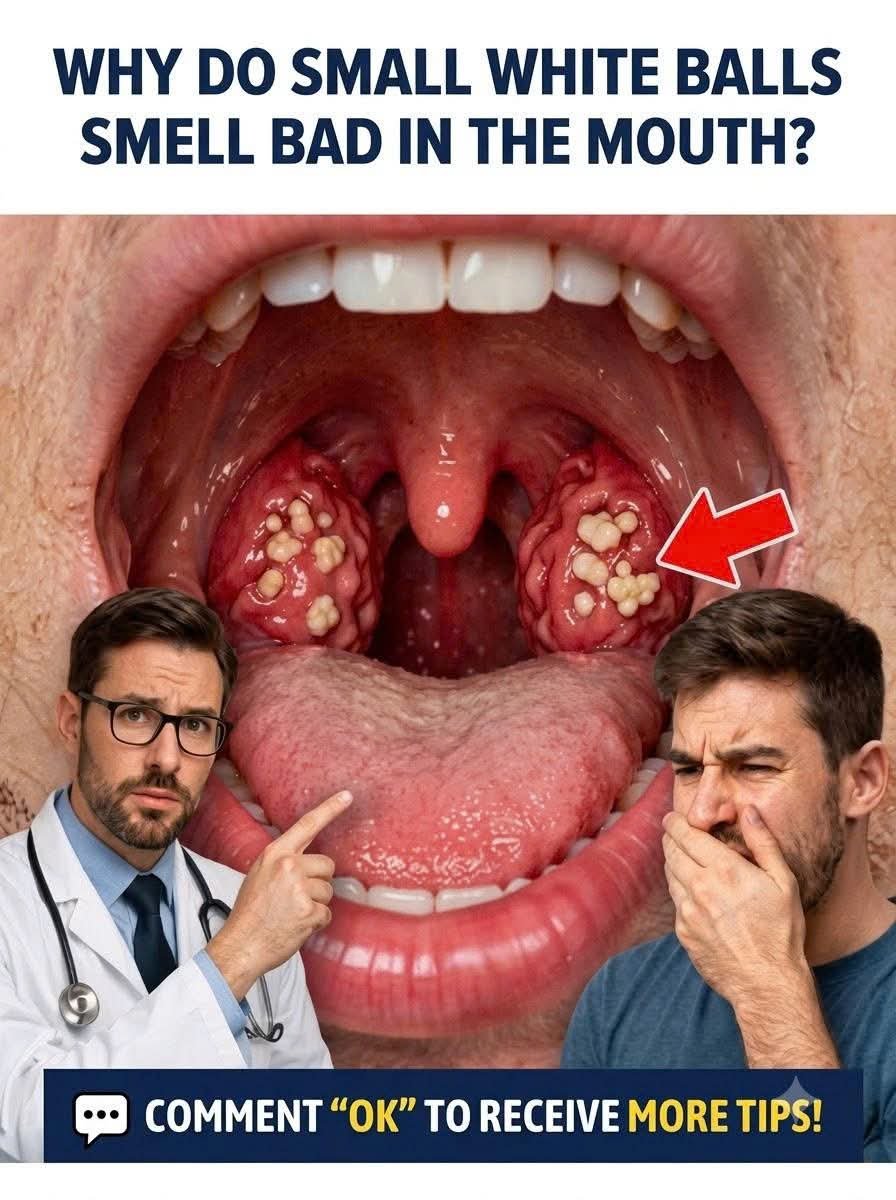
Bad Breath? Those Tiny White Tonsil Stones Could Be the Hidden Cause! 😮🦷
Bad breath, also known as halitosis, afflicts many individuals at some point in their lives. However, the underlying reason may not always be what you expect. This article delves into a lesser-known yet significant cause: tonsil stones. If you’ve noticed tiny white stones lodged in your tonsils, they could be contributing to your bad breath problem. Read on to discover the connection between tonsil stones and halitosis, and learn how you can address this issue effectively.
What Are Tonsil Stones?
Tonsil stones, or tonsilloliths, are calcified deposits that form on the crevices of your tonsils. These stones are a result of the accumulation of debris, including food particles, dead cells, and bacteria. As these substances accumulate, they can harden and form visible, whitish lumps. Although generally harmless, tonsil stones can lead to considerable discomfort, including bad breath.
How Tonsil Stones Cause Bad Breath
The bacteria thriving in tonsil stones produce sulfur compounds, which are largely responsible for unpleasant odors. When these compounds enter your breath, they can create a foul smell that is difficult to mask. If you struggle with consistent halitosis, even after maintaining good oral hygiene, tonsil stones could be the hidden culprits.
Signs and Symptoms of Tonsil Stones
Identifying tonsil stones is crucial, especially if you are experiencing bad breath. Here are common signs to watch for:
– Visible White Bumps: You might see small, white tonsil stones in the back of your throat.
– Sore Throat: Some people experience discomfort or soreness in the throat area.
– Difficulty Swallowing: Larger stones can lead to swallowing difficulties.
– Chronic Bad Breath: Persistent halitosis is one of the most common indicators of tonsil stones.
– Ear Pain: The throat and ears are interconnected, leading to referred pain in some cases.
Diagnosis of Tonsil Stones
If you suspect that tonsil stones are causing your bad breath, it’s best to consult with a healthcare provider. They can examine your throat visually or use imaging tests if necessary. This definitive diagnosis will help you understand the condition properly and guide your next course of action.
Effective Ways to Remove Tonsil Stones
If tonsil stones are to blame for your bad breath, removal is key. Here are several methods that can help you eliminate these pesky stones:
1. Manual Removal
For small stones, a gentle approach can be effective. Using a clean finger, cotton swab, or tonsil stone removal tool, you can try to dislodge them. Ensure your hands and any tools used are properly sanitized to avoid infections.
2. Gargling with Salt Water
Gargling with warm salt water can help reduce inflammation and might assist in loosening tonsil stones. Saltwater acts as a natural disinfectant that can provide temporary relief from symptoms such as soreness.
3. Good Oral Hygiene
Maintaining excellent oral hygiene is foundational for preventing tonsil stones. Brush your teeth and tongue twice daily, floss regularly, and use an antibacterial mouthwash. Paying attention to oral hygiene can significantly decrease the accumulation of debris and bacteria.
4. Stay Hydrated
Drinking plenty of water can help keep your mouth moist and wash away food particles and bacteria that can contribute to tonsil stones. Aim for at least eight glasses a day to ensure hydration.
5. Use a Water Flosser
For those with recurrent issues, a water flosser can effectively clean the crevices of your tonsils and help remove debris. This method is gentle yet efficient and might prevent the formation of new stones.
Preventing Tonsil Stones and Bad Breath
Prevention is the best remedy for tonsil stones and the resultant bad breath. Here are preventive measures you can implement:
1. Maintain Regular Dental Check-ups
Regular visits to your dentist can help catch any oral hygiene issues early. Your dentist can also provide professional cleaning to minimize bacteria and debris buildup.
2. Avoid Certain Foods
Certain foods, especially those high in sugars and carbohydrates, can lead to increased bacterial growth in the mouth. Minimize your consumption of sugary snacks and processed foods to maintain a healthier mouth environment.
3. Use Only Clean Utensils
Ensure that any utensils or tools used in your mouth are entirely clean. Bacteria can easily enter your mouth and contribute to the formation of tonsil stones and bad breath.
4. Quit Smoking
Smoking can exacerbate oral health problems and contribute to bad breath. If you smoke, consider seeking resources to help you quit. This will have a positive effect on both your breath and overall health.
Conclusion
Bad breath can be a frustrating and embarrassing condition. While many individuals focus on common causes such as poor dental hygiene, it’s essential to consider tonsil stones, a hidden cause that can contribute significantly to halitosis. By understanding what tonsil stones are, recognizing their symptoms, and knowing how to remove and prevent them, you can take effective steps to reclaim fresh breath.
If you’re struggling with persistent bad breath, don’t hesitate to consult your healthcare provider. They can help diagnose the issue accurately and guide you on the best treatment options, returning you to confidence with each breath you take. Make sure to prioritize your oral health today; ensure you are doing everything you can to keep your mouth clean and fresh!