
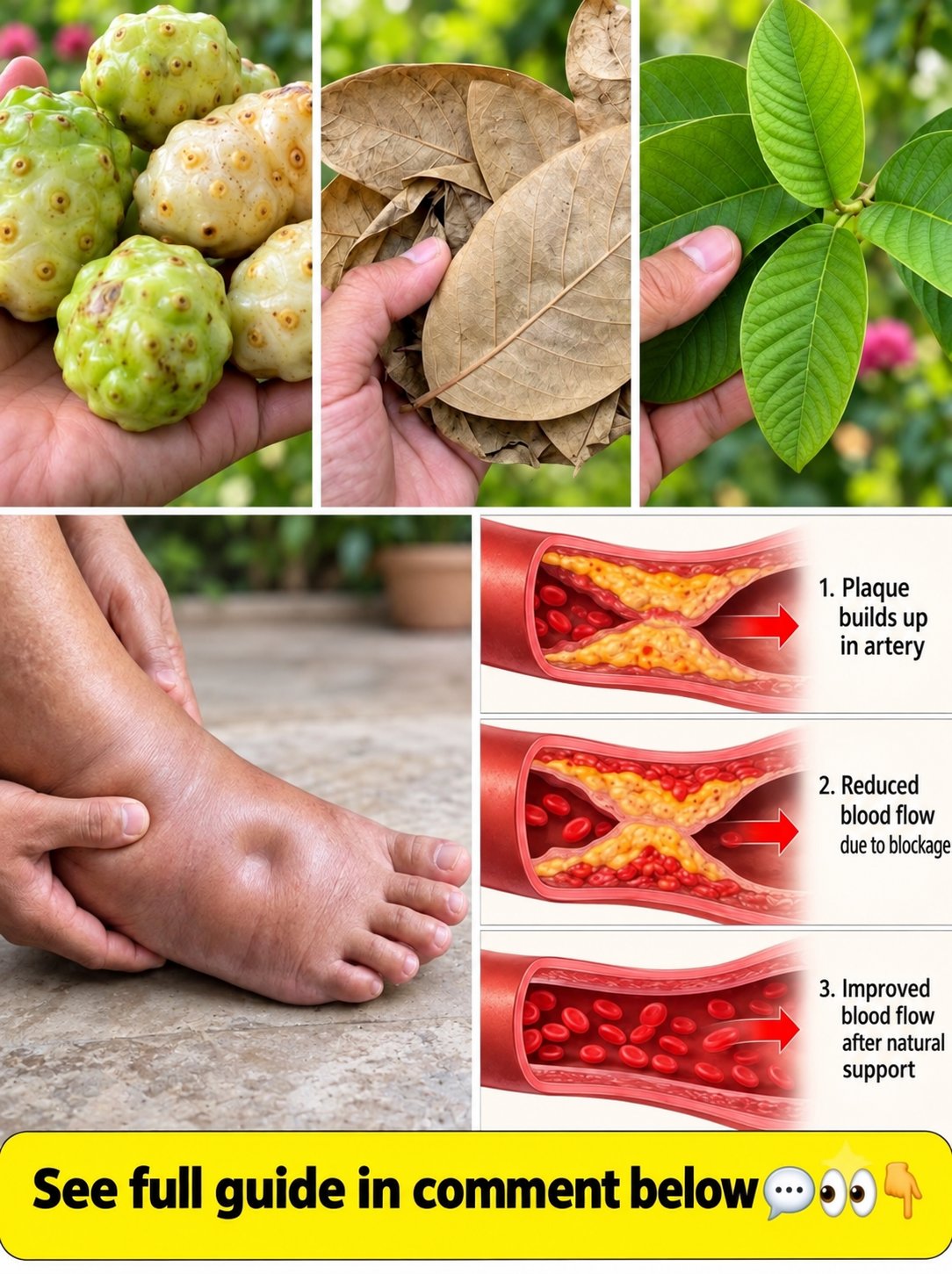
This Powerful Natural Plant May Support Better Circulation! 🌿❤️
Maintaining good circulation is vital for overall health and wellness. Poor circulation can lead to various issues, including fatigue, cold extremities, and even more serious conditions. Fortunately, nature offers a powerful ally in the quest for improved circulation: a natural plant that has garnered attention for its health benefits. In this article, we will explore this plant’s properties, benefits, and how it may support better blood flow.
Understanding Circulation and Its Importance
Circulation refers to the movement of blood throughout the body, delivering essential oxygen and nutrients to tissues while removing waste products. Good circulation is crucial for optimal health, as it affects every cell, organ, and system in the body. Factors that can negatively impact circulation include aging, sedentary lifestyles, obesity, and certain medical conditions.
Symptoms of Poor Circulation
Before diving into our featured plant, it’s important to recognize the symptoms associated with poor circulation, which may include:
– Numbness or tingling in the extremities
– Cold hands and feet
– Swelling in the legs and ankles
– Fatigue and weakness
– Varicose veins
If these symptoms resonate with you, it may be time to explore natural remedies to support better blood flow.
Introducing Ginkgo Biloba: The Circulation-Boosting Powerhouse
One of the most renowned natural plants for cardiovascular health is Ginkgo Biloba. This ancient plant, native to China, has been used for thousands of years in traditional medicine and is celebrated for its numerous health benefits. Ginkgo Biloba extracts, typically derived from its leaves, are rich in antioxidants and are believed to contribute significantly to improved circulation.
How Ginkgo Biloba Supports Circulation
Ginkgo Biloba supports circulation through several mechanisms:
1. Vasodilation: Ginkgo extracts are known to promote vasodilation, which is the widening of blood vessels. This action can increase blood flow to the extremities and vital organs.
2. Antioxidant Properties: The high levels of flavonoids and terpenoids in Ginkgo Biloba provide antioxidant properties, which can help protect blood vessels from damage caused by free radicals.
3. Platelet Function Improvement: Ginkgo may also enhance blood flow by improving platelet function, which helps prevent clumping and promotes smooth blood flow.
4. Ergogenic Benefits: Some studies suggest that Ginkgo Biloba supplements can enhance physical performance by improving cardiovascular function and reducing fatigue, making it a popular choice among athletes.
What the Research Says
While many individuals have reported positive experiences with Ginkgo Biloba, scientific studies also support its potential benefits. Research has indicated that Ginkgo Biloba may improve cognitive function by enhancing cerebral blood flow, which is closely connected to overall circulatory health. Additionally, a review published in “Vascular Pharmacology” highlighted that Ginkgo can improve circulation in patients with peripheral artery disease, a condition characterized by narrowed arteries.
How to Use Ginkgo Biloba
Supplements
Ginkgo Biloba is available in several forms, including capsules, tablets, teas, and liquid extracts. The choice of form will depend on personal preference and availability. When selecting a Ginkgo supplement, look for high-quality products standardized to contain 24% flavone glycosides and 6% terpene lactones, as these concentrations are believed to be effective.
Dosage
The typical recommended dosage ranges from 120 mg to 240 mg per day, divided into two or three doses. However, it is advisable to consult a healthcare provider before starting any supplement, especially if you are pregnant, nursing, or taking medications.
Incorporating Ginkgo Biloba into Your Daily Routine
1. Tea: Ginkgo tea is a simple way to reap its benefits. Steep Ginkgo Biloba leaves in hot water for around 10 minutes, and enjoy a refreshing beverage.
2. Smoothies: Incorporate Ginkgo extract into smoothies for a nutrient-dense, delicious drink that supports circulation.
3. Snacks: Create energy-boosting snacks with Ginkgo capsules mixed into nut butter, granola, or yogurt.
Other Natural Plants That May Support Circulation
While Ginkgo Biloba is a standout for circulation, it is not the only natural plant with potential benefits. Here are two other options worth exploring:
Cayenne Pepper
Cayenne pepper contains capsaicin, a compound that can help improve blood flow by promoting blood vessel expansion. It can be added to food or taken in supplement form to enhance circulation and boost metabolism.
Ginger
Ginger has been celebrated for its anti-inflammatory properties and ability to enhance circulation. It can be consumed fresh, in teas, or as a spice in various dishes. You might also find ginger supplements available for easier dosing.
Conclusion
Improving circulation is critical for overall health, and integrating natural plants like Ginkgo Biloba into your daily routine may support blood flow effectively. With its vasodilatory effects and antioxidant properties, Ginkgo Biloba offers a powerful and natural option for those seeking to enhance their circulatory health. Remember to consult with a healthcare professional before starting any new supplement regimen, especially if you have underlying health conditions.
By embracing these natural remedies and making lifestyle changes, you can take proactive steps toward achieving better circulation and, ultimately, a healthier life.