
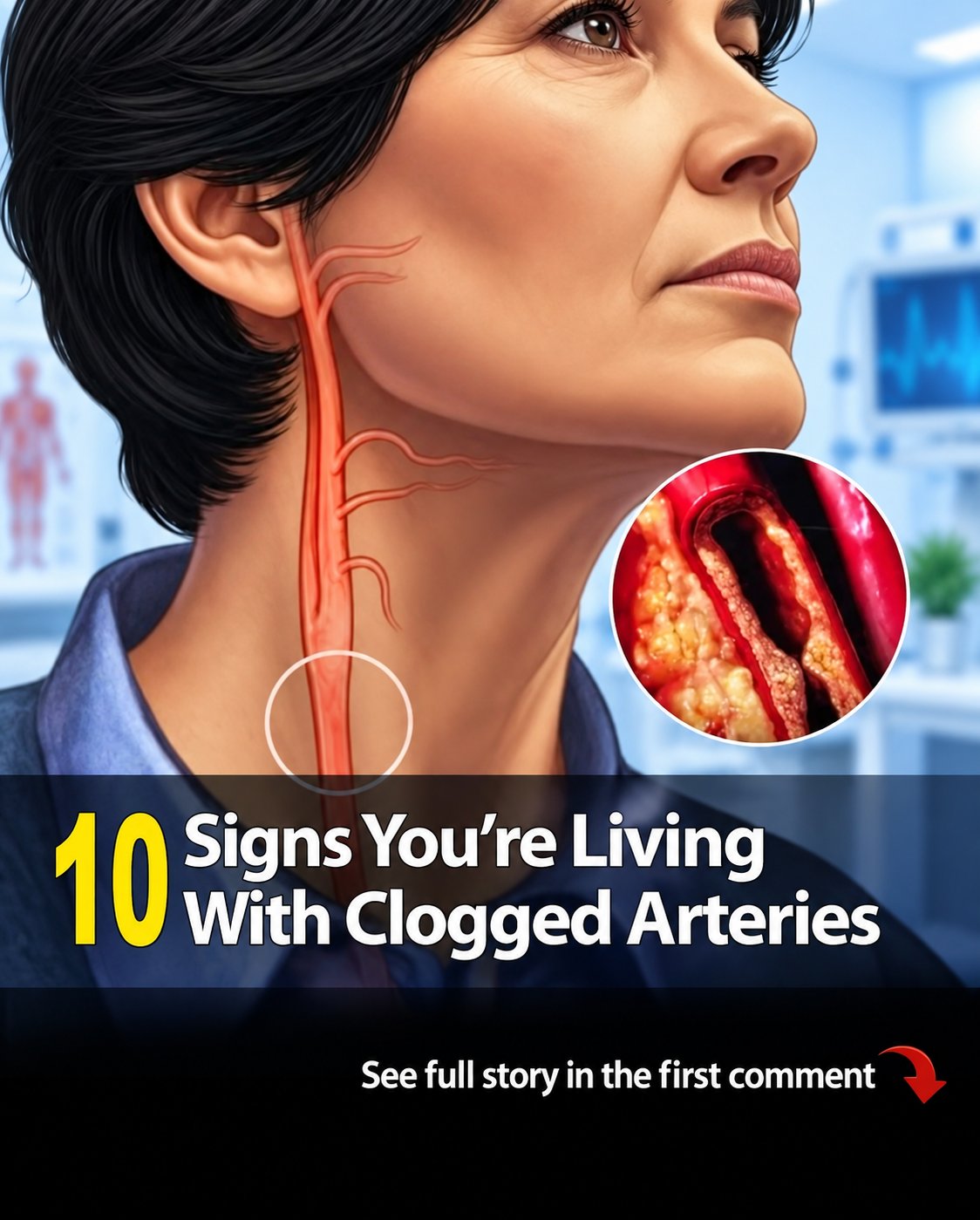
🫀 10 Warning Signs of Clogged Arteries You Should Never Ignore!
Clogged arteries, medically known as atherosclerosis, can lead to severe health issues, including heart attacks and strokes. Understanding the warning signs of this condition is crucial for early intervention and maintaining cardiovascular health. In this article, we will discuss ten key warning signs that indicate you may be dealing with clogged arteries. Recognizing these symptoms can help you take proactive steps to protect your heart.
1. Chest Pain (Angina)
One of the most common warning signs of clogged arteries is chest pain or discomfort, known as angina. This pain arises when the heart muscle does not receive enough oxygen-rich blood. You may experience a feeling of pressure, squeezing, fullness, or pain in your chest. Angina can also radiate to your shoulders, neck, back, arms, or jaw. If you encounter episodes of chest pain, especially during physical exertion or emotional stress, do not ignore them.
2. Shortness of Breath
Experiencing shortness of breath during physical activity or even at rest can be a significant indicator of clogged arteries. When your arteries are narrowed due to plaque buildup, your heart has to work harder to pump blood throughout your body. This can lead to a feeling of breathlessness. If this symptom persists or worsens, consult with a healthcare professional.
3. Fatigue
Unexplained fatigue can be another warning sign of clogged arteries. If you find yourself feeling excessively tired despite ample rest and sleep, it may be due to your heart struggling to deliver adequate blood flow to your organs. This symptom is especially concerning if it occurs alongside other signs.
4. Nausea or Indigestion
Some individuals with clogged arteries may experience gastrointestinal symptoms, such as nausea, indigestion, or an upset stomach. These symptoms can sometimes mimic heart problems, and they’re essential to take seriously. If you frequently experience these issues along with chest pain or discomfort, seek medical attention.
5. Heart Palpitations
Heart palpitations are sensations of irregular or rapid heartbeats. If you notice that your heart races or skips beats without an apparent reason, it could be due to clogged arteries. Palpitations may be accompanied by anxiety, sweating, or feeling faint, which warrant immediate medical review.
6. Coldness in the Extremities
If you have cold hands or feet combined with other cardiovascular symptoms, it may indicate a reduced blood flow due to clogged arteries. When your arteries narrow, circulation to the extremities can decrease, causing coldness and numbness. If this sensation is persistent, it’s essential to consult a doctor.
7. Weakness or Dizziness
Feeling weak or dizzy can be alarming, and these symptoms should never be overlooked. Reduced blood flow to the brain can result in weakness, dizziness, or lightheadedness, especially upon standing or during physical activities. If you find that dizziness occurs regularly, consult with a healthcare provider.
8. High Blood Pressure
High blood pressure is often a sign of underlying cardiovascular issues, including clogged arteries. When arteries are narrowed and hardened, they can increase the pressure within the circulatory system. Regularly monitor your blood pressure; ideally, it should be around 120/80 mmHg. If your readings are consistently elevated, speak with your physician about managing your cardiovascular health.
9. Swelling in the Legs or Feet
Unexplained swelling in your legs or feet may be indicative of poor circulation due to blocked arteries. When blood flow is restricted, it can lead to the retention of fluid in the lower extremities. This symptom may also be accompanied by pain or cramping, particularly during physical activity.
10. Family History of Heart Disease
While not a symptom itself, a family history of heart disease significantly increases your risk of developing clogged arteries. If close family members have experienced heart-related issues, it is crucial to stay vigilant and monitor your own health closely. Regular check-ups and screenings can help catch potential problems early.
Conclusion
Recognizing the warning signs of clogged arteries is vital for maintaining heart health and preventing severe cardiovascular events. If you experience any combination of the symptoms listed above—such as chest pain, shortness of breath, or fatigue—do not hesitate to seek medical advice. Early diagnosis and intervention can significantly alter your health outcome. Additionally, adopting a heart-healthy lifestyle, which includes a balanced diet, regular exercise, and stress management, can help reduce the risk of developing clogged arteries. Stay informed, stay healthy, and prioritize your cardiovascular well-being!