
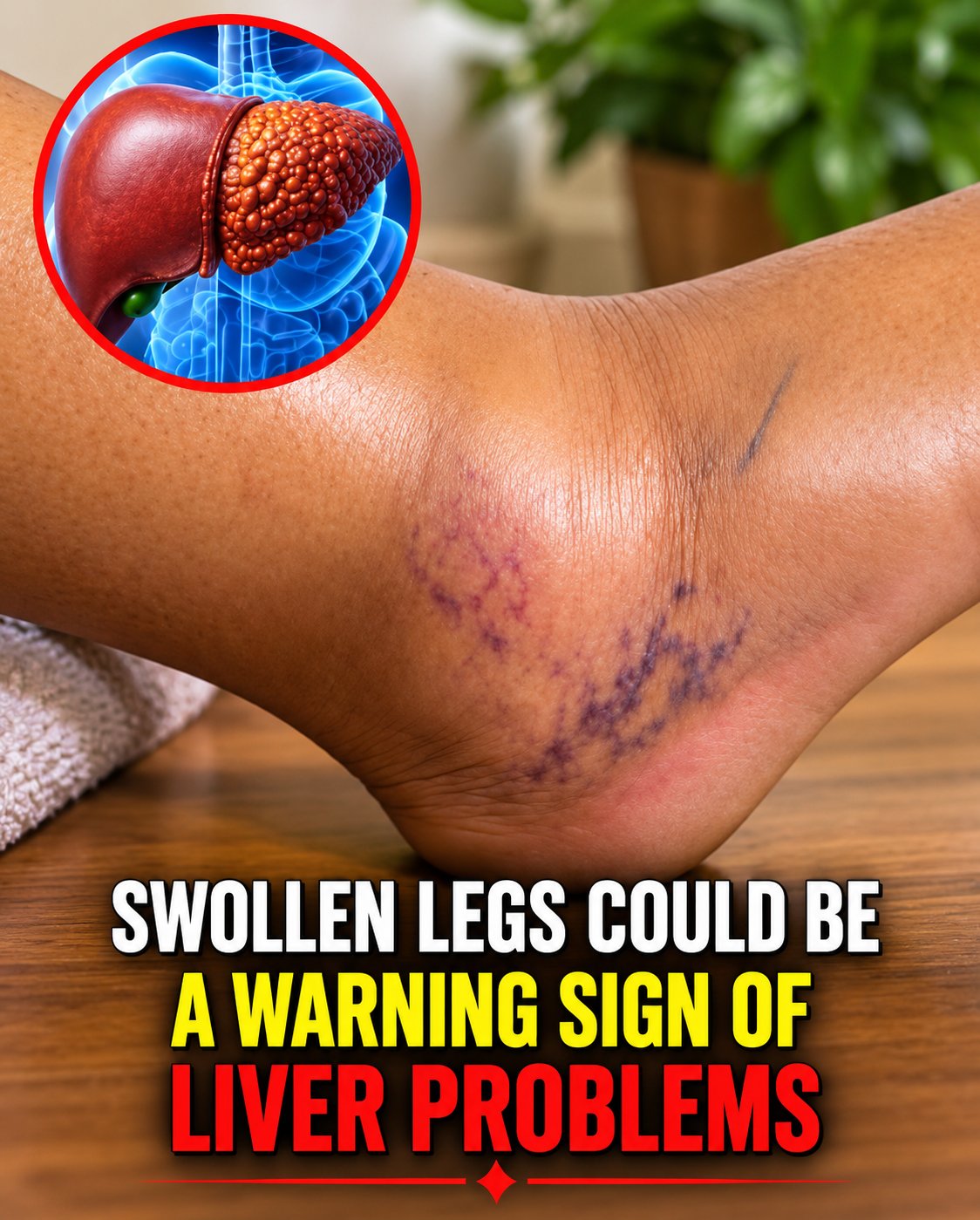
Swollen Legs? 5 Liver Warning Signs You Should Know ⚠️🦵
Swollen legs can be an alarming symptom often overlooked or mistaken for mere fatigue or injury. However, they could be a red flag indicating liver problems. The liver serves as a vital organ that plays a central role in detoxification, metabolism, and various bodily functions. In this article, we’ll explore five warning signs of liver issues that could manifest as swollen legs, enhancing your awareness and encouraging you to seek timely medical care.
Understanding Swollen Legs
Swollen legs, medically known as edema, occur due to the accumulation of excess fluid in the tissues of the legs. While various factors can contribute to this condition—including injury, prolonged sitting, or heart failure—a connection to liver health shouldn’t be overlooked. The liver’s inability to perform its functions properly can lead to fluid retention, especially in the lower extremities.
1. Jaundice: A Classic Warning Sign
One of the most recognizable indicators of liver dysfunction is jaundice, which manifests as a yellowish tint in the skin and eyes. This discoloration occurs when the liver fails to process bilirubin—a byproduct of red blood cell breakdown. Elevated bilirubin levels can lead to symptoms like swollen legs, as the liver’s impaired function may also contribute to fluid imbalance.
Commercial Keywords: liver health, jaundice, bilirubin levels, liver dysfunction
2. Ascites: Fluid Accumulation in the Abdomen
As the liver becomes damaged, it can lead to a serious condition known as ascites. This condition occurs when excess fluid builds up in the abdominal cavity, sometimes causing pressure on the diaphragm and other organs. The overflow of fluid can lead to swelling not only in the abdomen but also in the legs. Individuals with ascites often notice abdominal bloating and swollen limbs, indicating significant liver distress.
Commercial Keywords: ascites, liver damage, abdominal bloating, swollen limbs
3. Spider Angiomas: Small Blood Vessel Changes
Another warning sign of potential liver issues is the development of spider angiomas—small, spider-like blood vessels visible beneath the skin. These typically appear on the face and upper body but can also occur on the legs. The presence of these vascular lesions can indicate liver cirrhosis or liver disease. Additionally, they may accompany swollen legs and demonstrate that liver function is compromised.
Commercial Keywords: spider angiomas, liver cirrhosis, vascular lesions, liver disease
4. Chronic Fatigue and Weakness
Liver dysfunction often leads to general fatigue and weakness, which can exacerbate swelling in the legs. When the liver fails to detoxify the body effectively, it may contribute to a build-up of toxins, leading to feelings of malaise. The combination of fatigue and leg swelling can be an essential hint that something is wrong with your liver. If you notice these symptoms, it may be time to consult a healthcare professional for evaluation and blood tests.
Commercial Keywords: chronic fatigue, liver detoxification, malaise, healthcare professional
5. Changes in Urine and Stool Color
Changes in urine and stool color can also serve as telling indicators of liver health. Dark urine or pale stools can signify issues related to liver function, including bile production and excretion. If your legs are swollen and you notice concurrent changes in your urine and stool color, it is crucial to take note. These signs could together point toward liver dysfunction and warrant medical investigation.
Commercial Keywords: urine color, stool color, bile production, liver evaluation
Conclusion: Take Action!
If you are experiencing swollen legs along with any of the warning signs mentioned above, it is vital to seek medical attention promptly. Early detection of liver issues can lead to more effective treatments and better health outcomes. Remember, your liver health plays a crucial role in your overall well-being, and the signs it sends should never be ignored.
By being proactive about your health, you can take the necessary steps to ensure that your liver remains functioning optimally, reducing the risk of complications that can affect your quality of life.
Final Note
Whether it’s through dietary changes, lifestyle adjustments, or medical interventions, monitoring your liver health is crucial for maintaining a balanced and healthy life. Always consult a healthcare provider for personalized advice and recommendations tailored to your individual needs.